Spring is finally here! Well, supposedly. I’m still wearing a down jacket every day. Regardless, when April arrives, that means it’s time to plant an herb garden.
I do not consider myself a gardener, but each year, I plant a small herb garden and make great use of what I grow throughout the summer and early fall. Getting started is very easy and inexpensive. All you need is:
- An egg carton (preferably a paper one)
- Seeds (what you plant depends on your tastes)
- A mini gardening shovel
- Gardening gloves
- Soil (organic is preferable)
- Plant markers (popsicle sticks and a permanent marker will do the trick)
- Access to sunlight (through a window until the temperature is high enough outside to place the plants outside. Wait until temps are consistently above 50 degrees) and water (duh!).
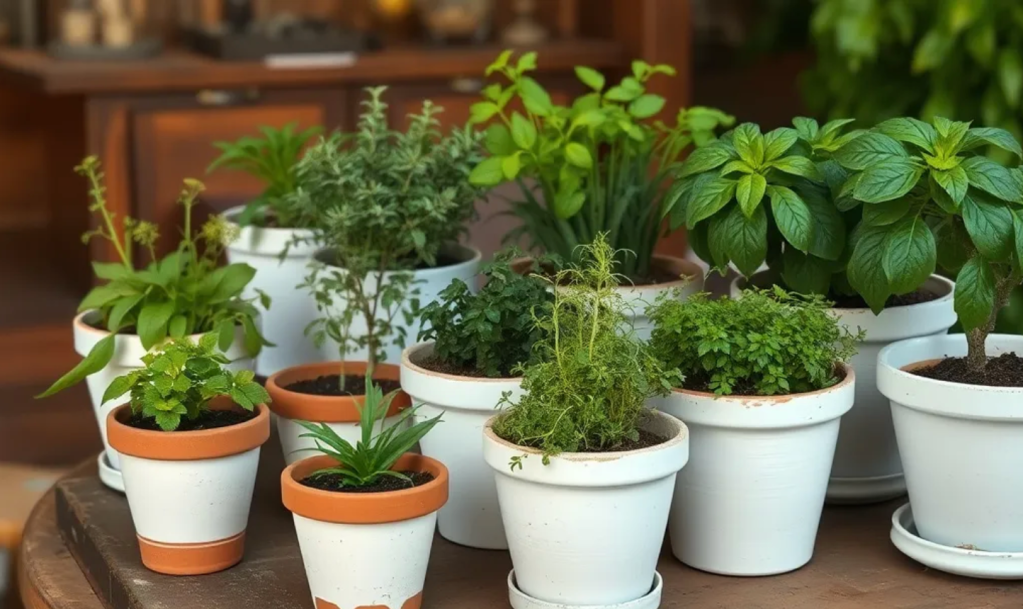
- Small to medium sized pots (in which to transfer seedlings). Rosemary and basil will require larger pots. You can get away with smaller pots for all of the other herbs. I like pots that drain, but be sure to use saucers underneath them if you plan on placing your pots on a table.
As mentioned above, what you plant in your herb garden depends on your personal preferences. I like to include basil, chives, dill, mint, oregano, parsley, rosemary and thyme in my garden.
Simply follow the instructions on the seed packets to begin growing your seedlings in the egg carton and then, when the weather warms up enough and the plants are about an inch or so in height, you can transfer them into larger pots and move them outside. Be sure to pay close attention to the needs of each plant in terms of moisture and sunlight. Also be sure to prune your plants regularly. Over pruning may damage the plant beyond repair and under pruning may result in leggy, wooden or less productive plants. Below are some ideas of how to use each herb in your cooking throughout the summer months:
- Basil: Best for pesto (I make a huge batch at the season’s end and freeze it for later use), pasta, pizza, salads, and Caprese dishes
- Chives: On potatoes,scrambled eggs and in cream cheese dips
- Dill: Perfect for fish or in salads, soups and in yogurt dip.
- Mint: Herbal tea and iced drinks (especially a Nojto mocktail. Just add lime, seltzer and a bit of honey…Yum!), salads and lamb dishes
- Oregano: Great for sauces, on top of pizza or in taco seasoning
- Parsley: Great for garlic butter, salads
- Rosemary: Try on roasted potatoes, chicken, steak and homemade focaccia bread. This plant grows rather large and is hearty, so it will continue to produce if cared for correctly.
- Thyme: Delicious in soups, stews, roasted chicken
Some cooking tips:
- Soft-leaf herbs (Basil, parsley, mint) are best added at the end of cooking for maximum flavor.
- Woody herbs (Thyme, rosemary, oregano) can withstand longer cooking times and should be added earlier to flavor sauces and roasts.
- You can harvest herbs and freeze them for later use for about 3-6 months
In addition to adding to the flavor of many dishes, herbs are good for your health and can be used for medicinal purposes. The vitamins and minerals they contain can lower inflammation and have heart and circulatory health benefits. Moreover, growing your own herbs means saving money and less waste (herbs do not last long in the fridge and will end up in the trash unless used promptly). So, get out your gardening gear and start planting today for your personal, continuous supply of fresh herbs tomorrow. Your taste buds will thank you.

 Cherry Picked